.png)
Roadmaps, Reality Checks, and the NYC Nurses' Strike
Updated: Feb 13

When 10,500 nurses walked off the job in New York City — and stayed off for five weeks in the middle of winter — I paid close attention. And I recalled conversations with nurses, healthcare workers, administrators, and safety leaders—all of whom have told me some version of the same thing:
We know something has to change, we're just not all in agreement on what that is and where to start.
Safe staffing and workplace violence protections were the central demands that drove the NYC nurses to the picket line — and ultimately, they were the issues that had to be resolved before anyone went back to work. That tells you something important about what healthcare workers are living with every day. It also confirmed that the path forward in healthcare workplace safety begins with an honest assessment of where an organization actually stands — not where it hopes it stands, or where a policy manual says it stands.
That is the philosophy at the heart of what we have built with OPTICS for Healthcare. It starts with a current state assessment — a structured, collaborative process that helps organizations understand their operating environment with clarity and without defensiveness. From that foundation, the platform helps generate action plans, policies, and playbooks that are specific to that organization's culture, structure, and risk profile. Think of it as a roadmap. Not a generic one pulled off a shelf, but one drawn from the terrain that particular organization actually navigates every day.

I want to be careful here, because this is important: OPTICS does not solve workplace violence in healthcare. No single platform, policy, or program does. The problem is too complex, too deeply rooted in understaffing, cultural normalization of violence, and systemic underreporting to be resolved by any one intervention. What OPTICS does is help organizations understand where they are, define where they want to go, and build a roadmap that connects those two points — one that accounts for the hazards in the territory and gives people the tools to prevent, avoid, or navigate through them.
When I watched the resolution of the Montefiore and Mount Sinai negotiations unfold, I did not feel vindicated. I felt grateful — grateful on several levels.
Grateful that those nurses held the line for what they believed their patients and colleagues deserved. Grateful to the healthcare executives who engaged in what had to be difficult conversations, and ultimately found a path forward. Whatever position you might take in a labor dispute, it is worth remembering that there are always two sides — and that both sides in this case came with real pressures, real responsibilities, and real stakes. I was not in that room. I don't know what was said or what was sacrificed. But I hope there was an abundance of authentic dialogue — the kind where people stop defending positions long enough to actually hear one another.
That kind of dialogue is rare. And when it produces outcomes that protect both workers and the organizations they serve, it deserves acknowledgment.
Some of the media coverage of this strike–but not a lot– focused on the quality of patient care. Maybe it is assumed and doesn’t need to be mentioned, but it’s interesting that the one thing both sides could definitely agree upon was the importance of providing high quality care to a growing number of healthcare consumers. Those consumers/patients have won something important too.

About David Brake
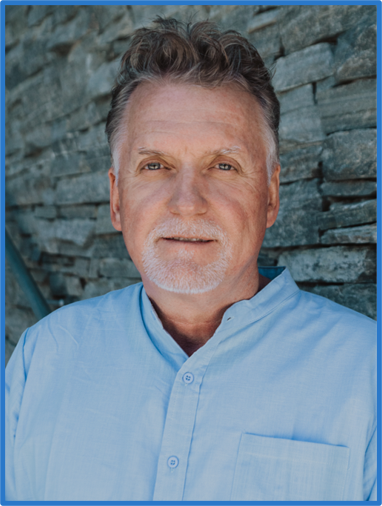
DAVID is the Co-founder and CEO of OPTICS for Healthcare, an AI-first company dedicated to creating safer healthcare environments for staff, patients, and the public. The OPTICS platform was designed to revolutionize how healthcare organizations approach facility assessments, enabling them to conduct comprehensive current-state evaluations, generate detailed gap analyses, and develop customized workplace violence policies and action-specific operational playbooks.


Comments